
We build the systems that run your operations.
TkTurners is an implementation partner for AI automation, integrations, GoHighLevel, and custom software, so your stack moves as one system.




Our services
AI Automation Services
Web & Mobile Development
Shopify Development
Omnichannel Systems
GHL Services



 Bilal & AminFounders
Meet the operators who stay close to every build.
Meet the founders

Featured success stories.
LetzAI
LetzAI is a generative AI image creation and creator community platform. It lets users generate images from prompts, tag and train custom AI models for people, products, and styles, explore community feeds, organize.

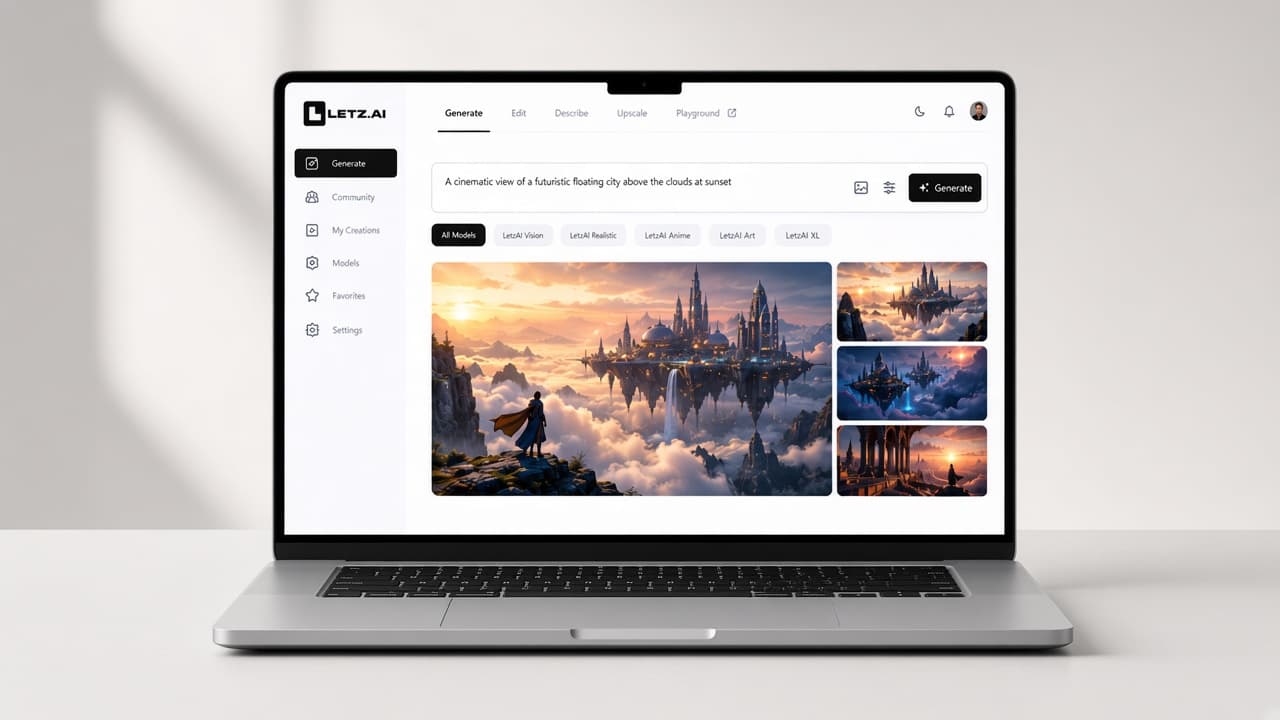

Working with TkTurners felt like adding product partners, not another vendor. They helped us turn LetzAI into something creators can actually move through every day.
Voxento, AI Communication, Transcription & Course Audio Modules
AI training platform for voice practice, transcription, course audio, Q&A, and reviewable learner outputs.

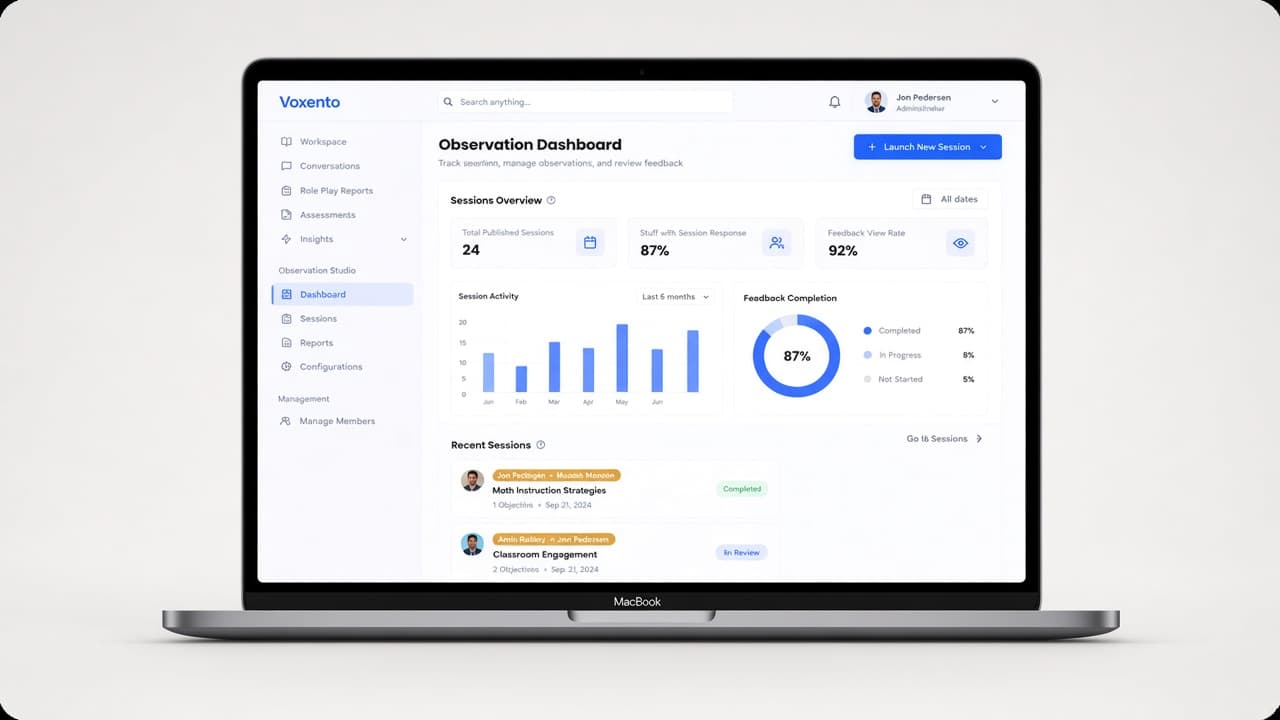

TkTurners stayed close to the real training workflow. Voice practice, transcription, and review finally sit in one place our team can run without constant cleanup.
Dojo+
A social platform where users can create profiles, showcase achievements, track event participation, and manage instructor certifications, all in one place.

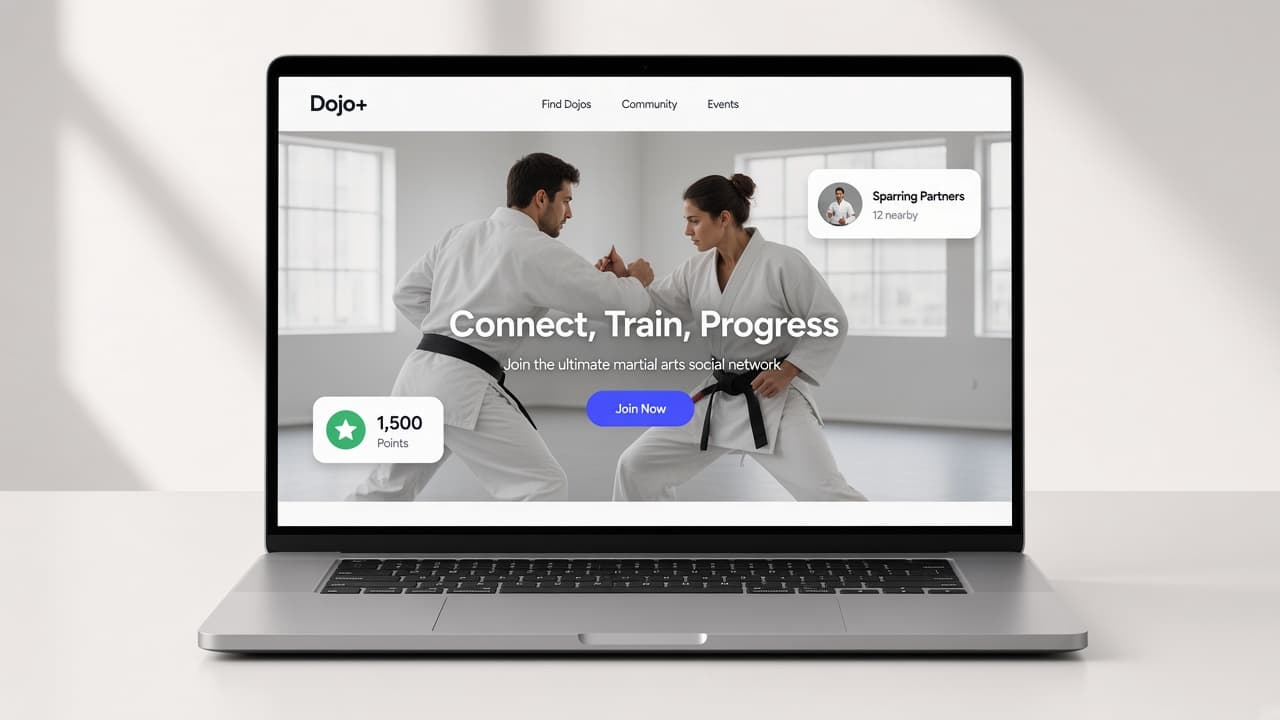

TkTurners helped us shape Dojo+ around how schools and students actually use it. Profiles, events, and certifications finally live in one place that feels clear.
INHerit
inHERit health mobile app helps users unlock insights into their family health history by connecting with biological relatives. It combines survey data and health records to provide personalised appointment support and.

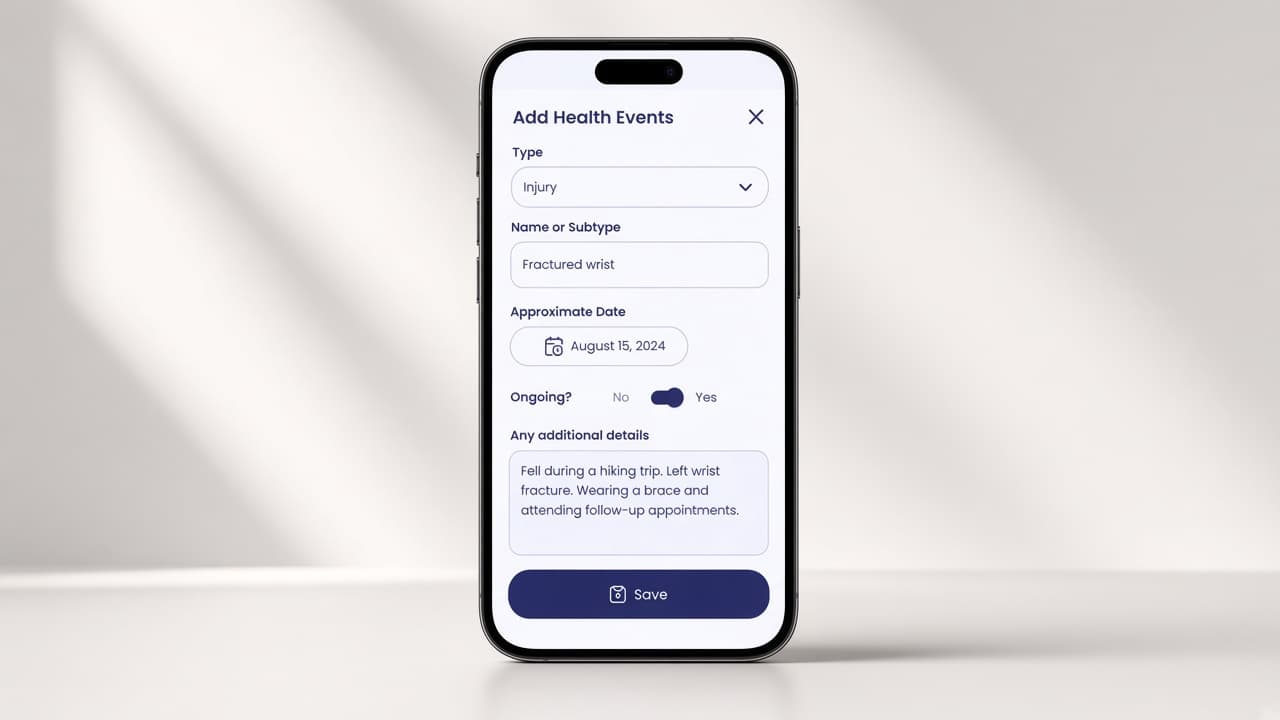

TkTurners helped us turn Inherit Health into a product people can actually use. Family history, surveys, and health records finally sit in one clear flow.
Stack Digital Card
Stack Digital Card was developed as a modern digital business card platform that allowed professionals, teams, and businesses to create shareable online profiles.


They turned Stack Digital Card into a product people can share and run day to day. Profiles, lead capture, and payments finally feel like one clean system.
Boom AI
At BoomAI, we’re building OAuth integrations with Stripe, QuickBooks, and Shopify so users can securely connect their official accounts. We fetch business data like orders, invoices, and financial records, store.

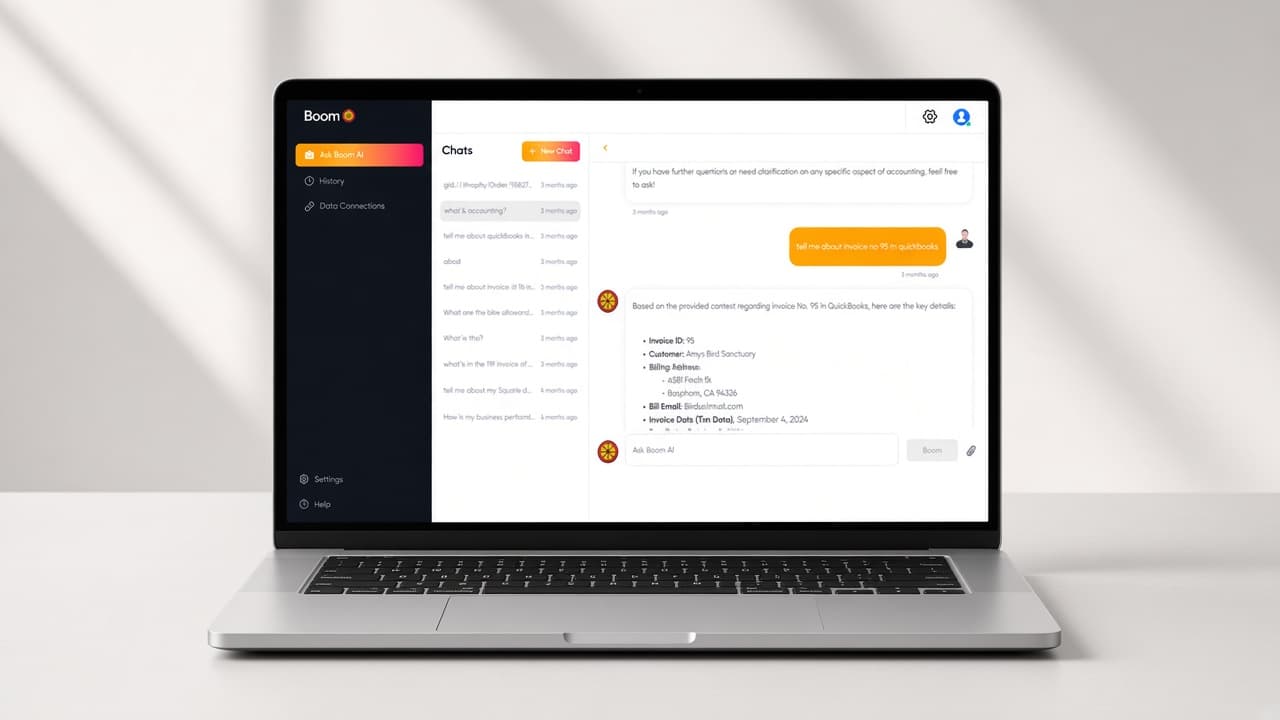

TkTurners helped us turn BoomAI into something operators can ask real questions of. Stripe, QuickBooks, and Shopify data finally answers in one place.
Dojo+ Sites
A social platform where users can create profiles, showcase achievements, track event participation, and manage instructor certifications, all in one place.
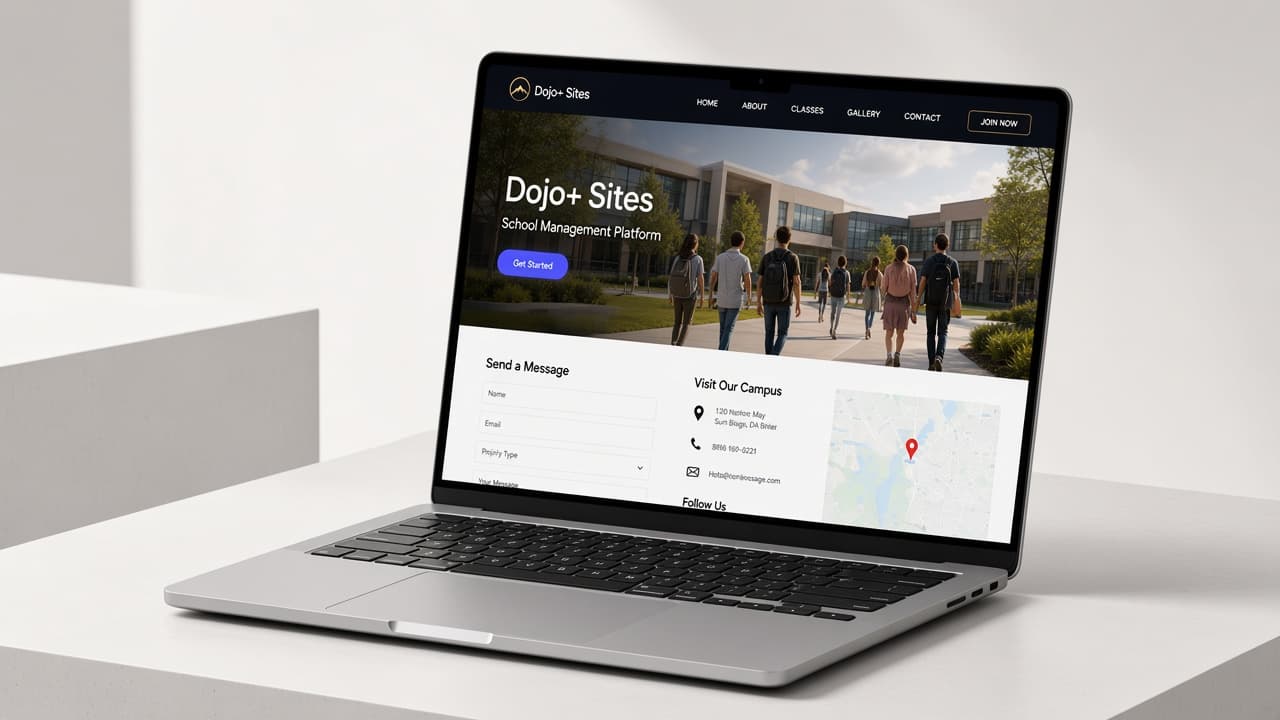
They built school sites that still feel like Dojo+. Our schools get branded pages without losing the operating flow behind the scenes.
Our partnerships with industry leaders


Beyond the development.







Latest insights & resources.

The Merchant's Operational Guide to Automating SEPA Mandates for Shopify Subscriptions

Mollie automatische incasso voor Shopify: terugkerende betalingen innen zonder gedoe bij het afrekenen

WebGL Real-Time HVAC Heatmap Visualization: Rendering High-Frequency Spatial Sensor Data

Linking Maximo and ServiceNow to 3D Spatial Asset Trees for Field Technicians: An Architectural Guide

Cleaning Up GoHighLevel Sub-Account Sprawl: How to Standardize Pipelines, Snapshots, and Reporting Across Client Accounts

MQTT and WebSocket Architecture for 3D Digital Twins: Streaming Real-Time Facility Telemetry at 60 FPS

BIM to CMMS Integration: Unlocking Automated Work-Order Triggers and Spatial Maintenance Intelligence

Solving Disconnected CRM and Field Dispatch Records in High-Volume Service Businesses

Virtual IBAN Client Fund Segregation: Architecture and Safeguarding Standards for European Subscription Commerce
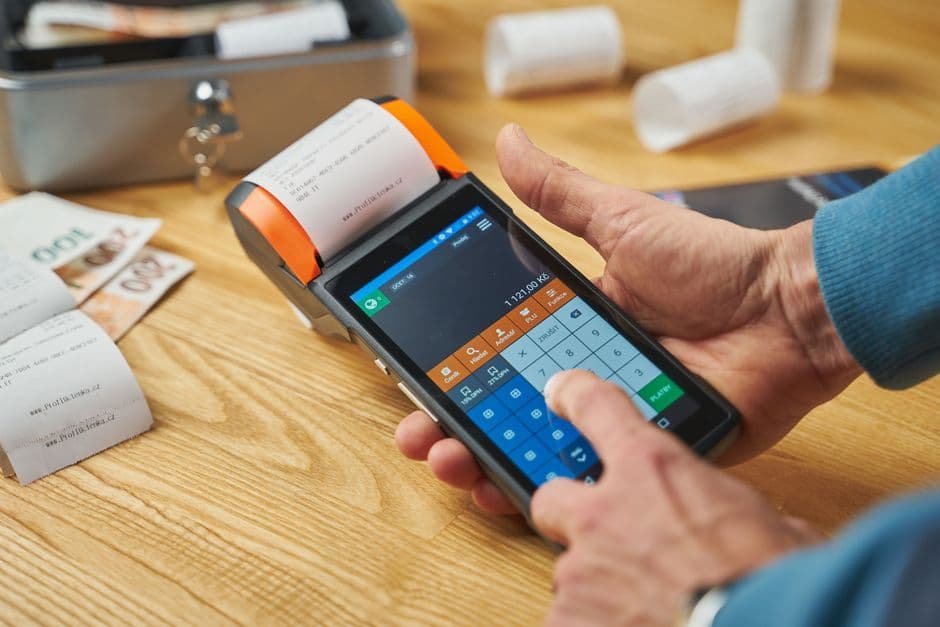
Digital SEPA E-Mandates at Shopify Checkout: Eliminating Friction for Dutch and German Buyers
Ready when you are
Let’s find your first fix.
Tell us where work gets stuck. We’ll review your tools and help you choose the clearest place to start.