Spreadsheets are carrying real workflows
Approvals, reporting, customer updates, or service delivery depend on manual handoffs that should become a reliable application.
Plan, design, build, launch, and support custom web apps, mobile products, portals, internal tools, and AI-ready software through one accountable delivery lane.
Web apps, portals, and mobile products
UX, backend, integrations, QA, launch
Staging demos before launch
Source-code access and handover path
Browse software case studies grouped by SaaS platforms, mobile products, learning systems, and BIM/AEC workflows so you can see how TkTurners approaches real product delivery.
Product and platform builds for teams that need structured dashboards, role-based workflows, admin control, CRM logic, subscriptions, and internal operating systems.
Mobile and consumer product builds where the experience has to be fast, clear, and useful across onboarding, discovery, saved records, communication, and repeat use.
Learning platform implementations that connect content, course structure, tutoring, AI practice, assessments, and backend content operations.
AEC and BIM software examples for model viewing, coordination, procurement, digital twins, IoT dashboards, configurators, and AI-supported project workflows.
The strongest fit is a product, portal, app, or internal system with real workflow pressure behind it. These are the situations this service is designed to solve.
Approvals, reporting, customer updates, or service delivery depend on manual handoffs that should become a reliable application.
The product needs APIs, webhooks, CRM, payments, ERP, reporting, or AI workflows connected without creating another isolated tool.
Customers, partners, staff, or vendors need accounts, documents, tasks, statuses, payments, messages, or dashboards in one place.
Your web platform is solid. Customers want mobile. You need the mobile layer built so it stays coherent with your backend and data model.
The interface, architecture, or release process is slowing down the business and needs a cleaner version-two path.
Copilots, summaries, routing, classification, or automated actions need to support a real product flow rather than sit beside it.
Need a clearer first release?
Bring the workflow, prototype, or rescue problem. We will map what should ship first and what can wait.
TkTurners helps businesses replace manual work, modernize products, or launch new digital systems by planning, designing, building, connecting, testing, and supporting the product through one accountable delivery lane.
The outcome is a product your team can actually operate.
The engagement can cover a web platform, mobile companion, backend, integrations, AI features, or a rescue path for an existing product. The stack is chosen after discovery, not forced before the workflow is understood.
Turn the idea, rescue need, or workflow gap into a clear first release.
Shape the experience before engineering locks in the wrong decisions.
Build the product surface, system logic, data layer, and integrations together.
Move from demo-ready to production-ready with the details handled.
Keep the product stable while the next useful release becomes clear.
The visible screens matter, but the product holds up because access, data, integrations, releases, and support are treated as part of the build from the start.
Discovery, workflow mapping, MVP priorities, user stories, acceptance criteria, and a delivery plan before engineering gets expensive.
User flows, wireframes, interface design, prototypes, and design-system decisions shaped around real tasks and permissions.
SaaS platforms, customer portals, admin dashboards, reporting systems, booking tools, and internal software.
Customer-facing apps, companion apps, field workflows, iOS and Android builds, device testing, and app-store release support.
Auth, permissions, data models, APIs, payments, notifications, CRM/ERP sync, webhooks, and business logic.
Staging access, milestone demos, functional QA, responsive/device testing, deployment, documentation, and post-launch stabilization.

Delivery standard
Premium software work comes from tighter product decisions, not more handoff layers.
For products that need secure browser-based workflows, admin control, and real-time operating visibility.
For customer-facing apps, field workflows, companion products, and mobile-first business experiences.
The product infrastructure that usually determines whether the app still works after launch.
When the product needs to connect with the business stack instead of becoming another isolated tool.
We do not force one stack onto every project. Tooling is chosen around product shape, team reality, integrations, and what the build needs after launch.
Handoff outputs
We choose the final stack around these artifacts, your integrations, and the team that will own the product next.

Core product design
Wireframes, UI systems, and review-ready screens.

Flow mapping
Journey maps, IA, and early decision workshops.

Product notes
Requirements, assumptions, and scope around the flow.
Representative tools only. We scope the stack around product goals, integrations, compliance, handoff, and support.
The goal is not to rush blindly. It is to create momentum while keeping the scope, architecture, and user experience coherent enough to survive production.
We clarify business goals, user needs, existing systems, constraints, required integrations, and the success criteria for the first release.
Feature priorities, user stories, architecture, delivery risks, and milestones get turned into a buildable roadmap.
User flows, wireframes, interface design, and prototype decisions are validated before the product moves deep into implementation.
Frontend, backend, mobile, APIs, and integrations move through planned increments with regular demos and visible progress.
Functional testing, responsive checks, device testing, integration QA, performance review, and security basics are handled before launch.
We support production deployment, store submission where relevant, monitoring setup, documentation, and handover sessions.
Post-launch defects, maintenance needs, enhancements, and future release planning are handled through a clear support path.
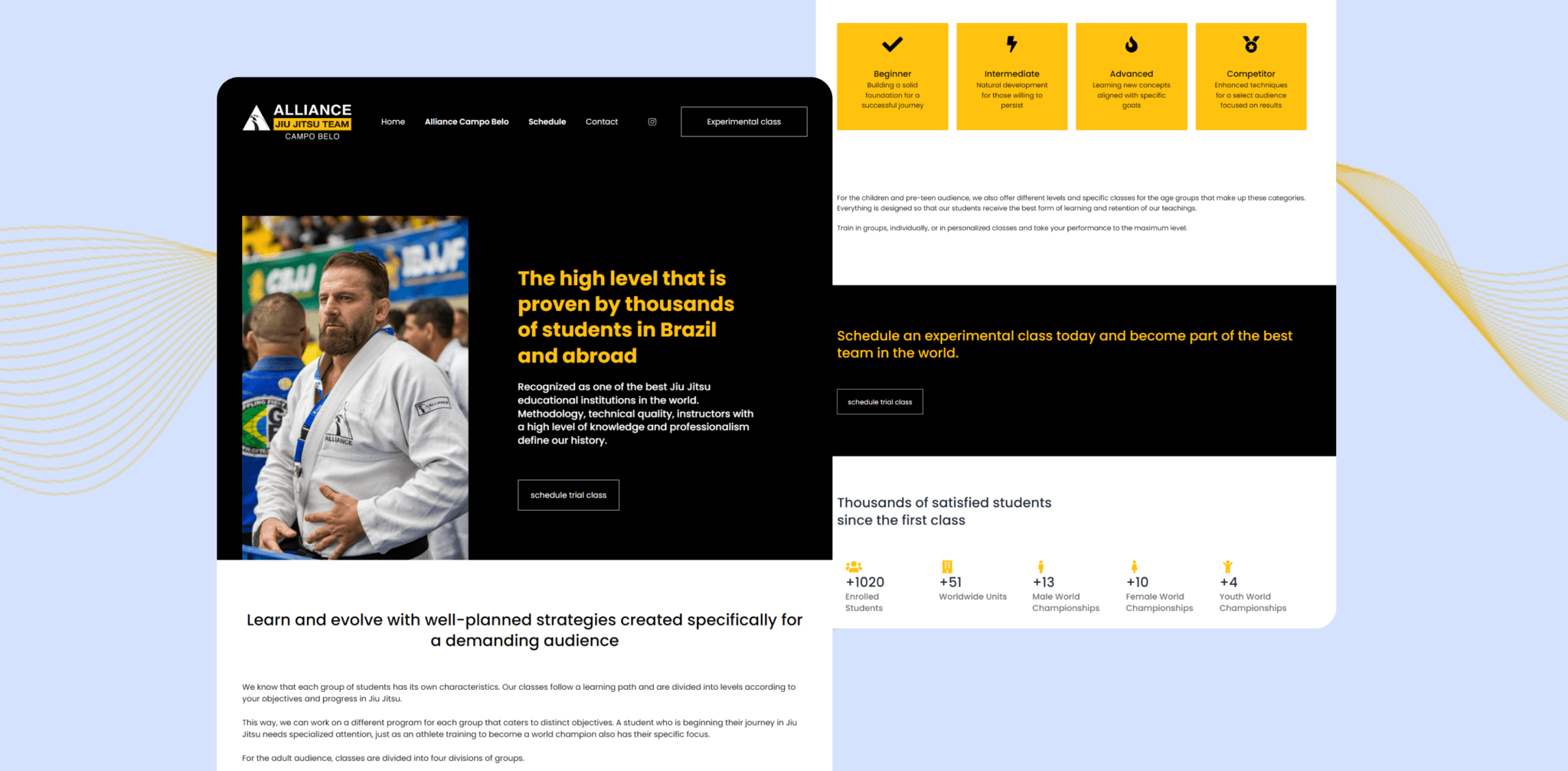
These are examples of the custom software, portals, and platforms we've designed, built, and launched. Client details are available on request.
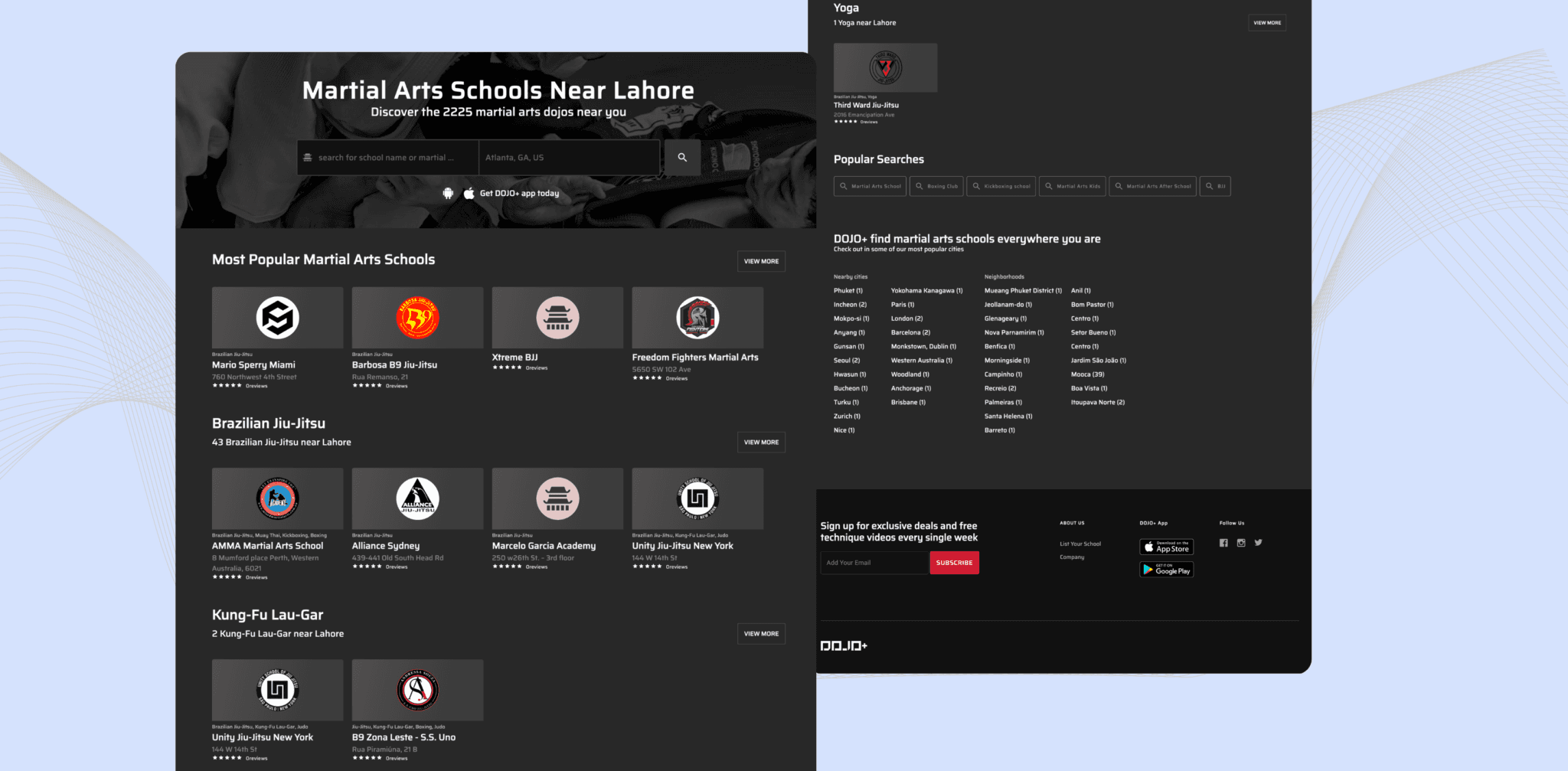
Booking flows, instructor management, and a companion mobile app built from a clean product blueprint.
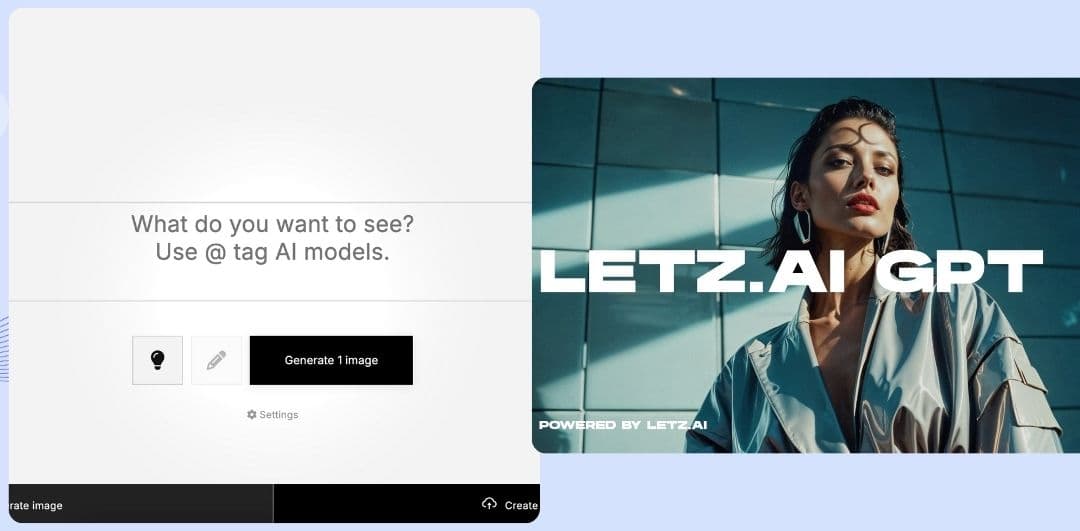
AI-enabled SaaS with real-time assistance surfaces, content automation, and a scalable product layer.
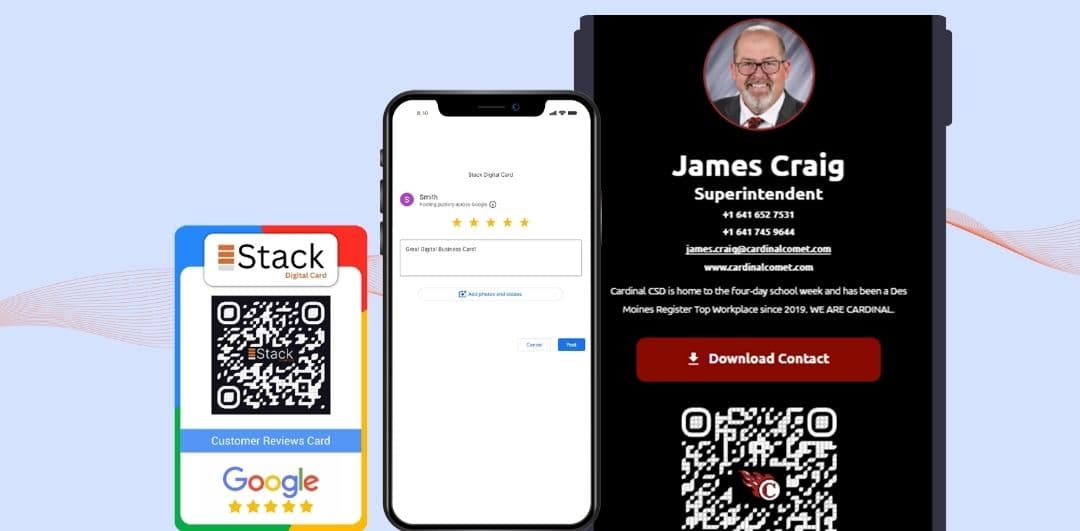
Real-time dispatch portal and mobile workflow app replacing manual ops for a scaling field team.
The delivery pattern can support customer products, internal software, AI-enabled experiences, and multi-surface systems where web and mobile need to stay aligned.
Accounts, onboarding, documents, task visibility, and self-serve workflows for customers or partners.

Founder-led delivery
The work is kept close to product decisions so UX, engineering, and business logic do not drift into separate tracks halfway through the build.
Ops dashboards, approvals, queues, reporting layers, and admin experiences built to reduce team drag.
Subscription products with account structure, billing hooks, role logic, admin views, and scalable product surfaces.
Customer apps, field-team experiences, and mobile-first product flows that need speed, clarity, and durable UX.
Copilots, summaries, routing, search, automation hooks, and assistive product moments that fit the workflow instead of distracting from it.
A serious web or mobile build has cost, timeline, quality, ownership, and support risk. The process is designed to make those risks visible early and manageable throughout delivery.
Stack guidance
Next.js and React when the product needs fast web workflows, SEO-aware public pages, portals, dashboards, or SaaS surfaces.
React Native, Flutter, or native mobile when the product needs app-store distribution, device features, field workflows, or a mobile companion.
Node.js, Python, serverless, or managed backends depending on data shape, integration load, internal team skills, and maintenance expectations.
Stripe, Clerk/Auth.js, GoHighLevel, HubSpot, QuickBooks, Odoo, Twilio, OpenAI, and similar tools when they fit the workflow and reduce custom build risk.
The build starts from real workflows, user roles, system constraints, and agreed acceptance criteria.
Scope is broken into visible checkpoints so decisions are made while the product is still adjustable.
You see working product progress instead of waiting for a final reveal that is hard to correct.
Key flows can be reviewed in a controlled environment before they reach production users.
Ownership and handover expectations are handled clearly so the product is not trapped after launch.
Functional testing, responsive/device checks, integration review, deployment, and release support are part of the delivery path.
Software delivery gets expensive when strategy, UX, engineering, and launch support all live in separate silos. The point is to keep the build coherent enough that the shipped product still makes sense six months later.
TkTurners
The usual
Scope framing
Built around workflow reality, roles, and business rules.
Scope framing
Scoped as disconnected screens or generic ticket lists.
Delivery ownership
One partner from planning through launch and early iteration.
Delivery ownership
Design, frontend, backend, and QA split across loose handoffs.
Architecture
AI-ready, integration-aware, and designed for change.
Architecture
Built narrowly around the first release with weak system thinking.
Communication
Sprint visibility with practical decisions tied to product outcomes.
Communication
Status updates without enough context for real product judgment.
After launch
Stabilization and iteration are part of the delivery mindset.
After launch
The build is handed off fast and support gets fuzzy immediately.
Need the product built?
We can scope the first release, define the delivery lane, and show you what a credible build path looks like before code starts flying.
These are the practical questions that come up when someone is trying to decide whether the work fits a rescue, a new product, or a serious next version.
TkTurners can build custom web apps, mobile products, portals, internal tools, admin systems, SaaS platforms, and AI-enabled software experiences. The scope can include UX, frontend, backend, APIs, integrations, QA, and launch support.
Yes. The delivery approach is product-first, which means the user flow, system logic, interface design, and engineering plan are shaped together instead of being split into isolated handoffs.
Yes, if the product needs both. We can scope a shared system with separate web and mobile surfaces so the architecture, user roles, and data model stay aligned across the build.
Cost depends on scope, integrations, mobile requirements, security expectations, and launch support. The first call is used to understand the product shape before a roadmap or estimate is created.
Timeline depends on the number of user roles, screens, integrations, data flows, and release requirements. We avoid promising a fixed timeframe before discovery because that usually creates risk later.
No. We can help define requirements, user flows, scope, and acceptance criteria. If you already have a brief, prototype, or existing product, we use it as a starting point.
The stack is chosen after discovery. Common options include Next.js, React, TypeScript, Node.js, Python, React Native, Flutter, managed databases, payment systems, auth providers, CRM integrations, and AI APIs.
Source-code access, repositories, handover expectations, and ongoing support are clarified as part of the engagement. The goal is to avoid a product that becomes trapped with the delivery team.
Yes. AI assistants, summaries, workflow automations, search, and decision-support features can be designed into the product when they support a real user or operational flow.
Both. TkTurners can help rescue, extend, or restructure an existing product, or start from a new blueprint when the product still needs a clean foundation.
The work uses requirement validation, milestone demos, staging access, acceptance criteria, QA, documented decisions, change tracking, deployment support, and post-launch stabilization.
Yes. Confidentiality requirements and collaboration with internal product, design, engineering, or operations teams can be handled during scoping.
Post-launch support can include defect resolution, monitoring guidance, maintenance, release planning, documentation, and future feature work depending on the product's needs.
We will use the conversation to understand the users, systems, constraints, first release, and delivery risks before recommending a build path.
Useful call inputs