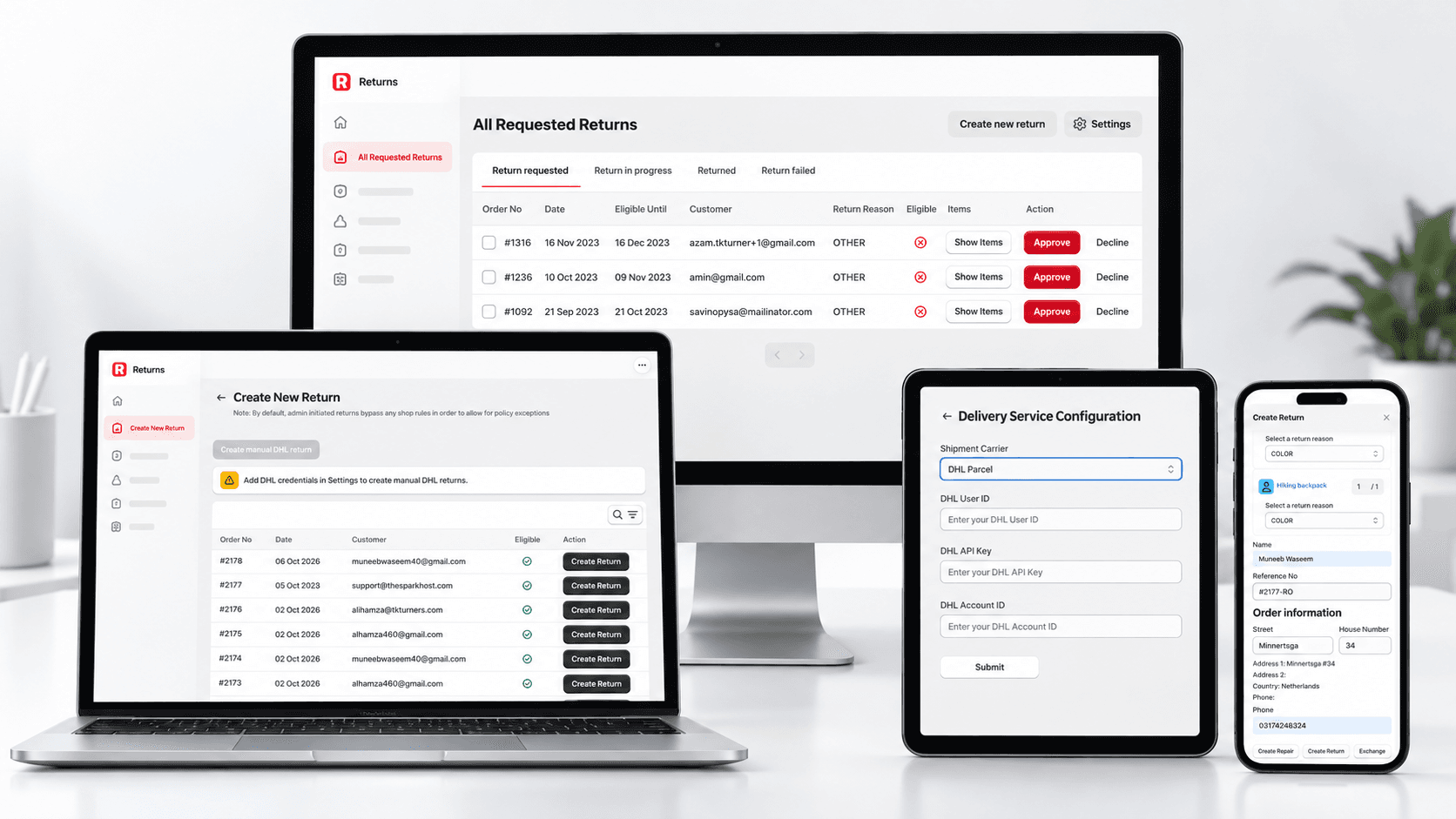
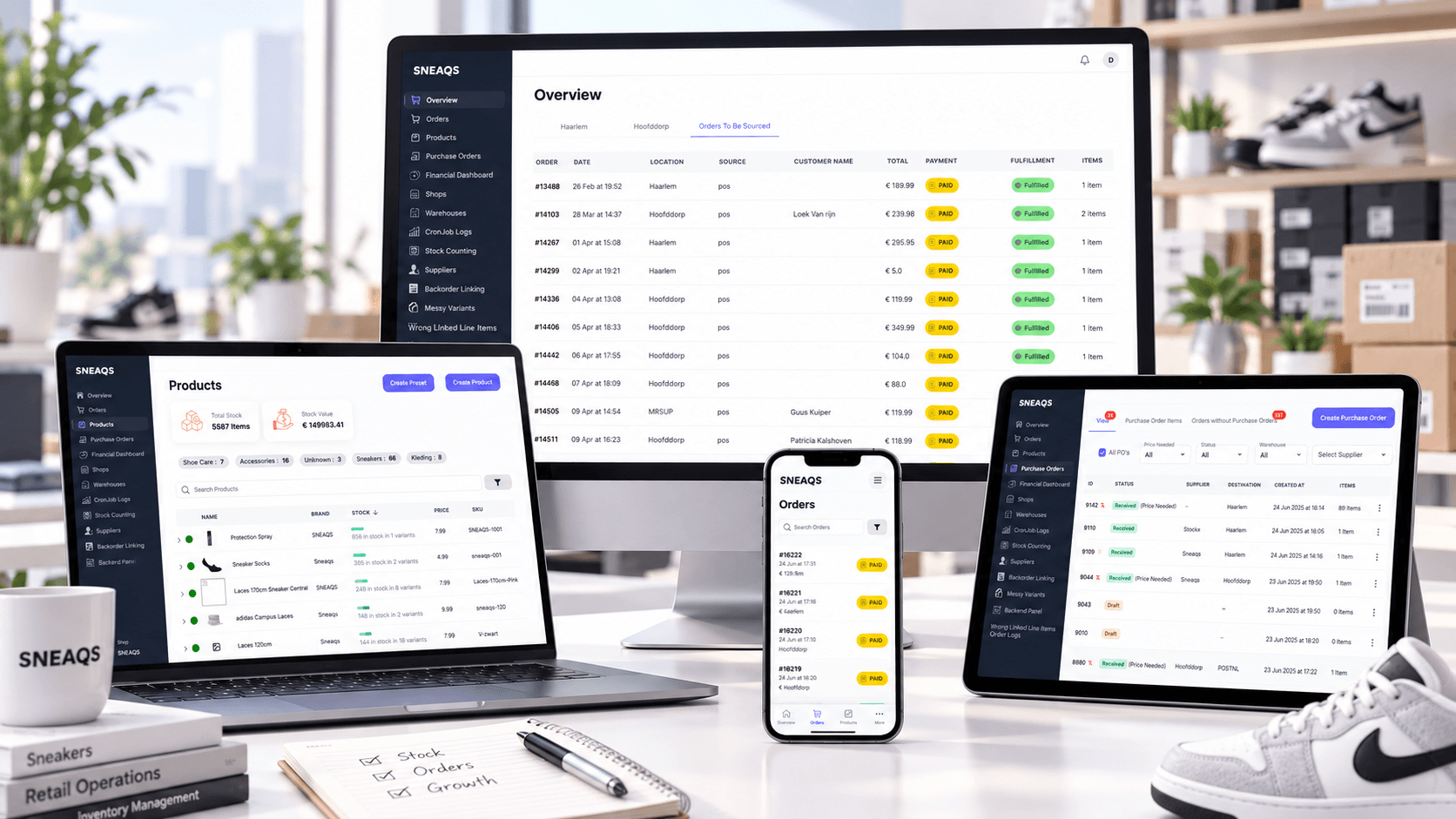
For omnichannel retail brands that have outgrown fragmented operations
Integration Foundation Sprint

Map the breakdown. Connect the stack. Build the first fix.

TkTurners works like a specialized implementation partner for omnichannel retail brands. We diagnose where storefront, ERP, payments, and reporting stop agreeing, design the blueprint, and deliver the first operational fix in a focused sprint.

Discovery-led first step4-6 week fixed-scope sprintERP, payments, storefront alignment
Integration Foundation SprintDelivery artifact
System map

Trace where order, payout, inventory, and reporting logic stop agreeing.

Handoff logic

Define the data flow, responsibility points, and failure checks between systems.

First automation opportunities

Prioritize the repeatable operational work that should move out of spreadsheets and inboxes first.

  • Map the breakdown
  • Connect the stack
  • Fix the handoffs
  • Discovery
  • Blueprint
  • Build

Built for operators who need storefront, ERP, payments, reporting, and workflow automation to stop arguing with each other.

Storefront logic
ERP alignment
Payment reconciliation
Reporting clarity
Exception routing
Workflow automation

Operational Friction

YOUR SYSTEMSDON'T MATCH.THAT'S THE DRAG.

When storefront, ERP, payments, and reporting tell different stories, your team ends up reconciling the business by hand.

01

SYSTEM MISMATCH

Storefront, ERP, payments, and reporting do not align.

Reconciliation becomes messy, numbers conflict, and trust in the operating data drops fast.

02

MANUAL CLEANUP

Teams patch operational gaps with spreadsheets, inboxes, and repeated updates.

Hours disappear into cleanup work that should have been absorbed by systems long before growth hit this level.

03

NO REAL-TIME CONTROL

Leadership sees issues too late to act with confidence.

Delayed reporting and weak visibility turn operational problems into reactive decisions instead of controlled action.

See what your first operational fix should be.

The vision

Retail brands should operate with precision, speed, and confidence.

The goal is not just to fix isolated issues. The goal is an operating system where core platforms stay aligned, repetitive work is automated, and leadership can trust what the business is telling them in real time.

Today

Growth feels heavier than it should.

  • Teams reconcile the same gaps in multiple places
  • Leadership waits for exports or spreadsheets to see what changed
  • Critical workflows depend on memory, inboxes, and manual updates
With TkTurners

Operations become a growth advantage.

  • Core systems stay aligned around shared operational logic
  • Revenue and operations are visible in time to act
  • Automation handles repeatable work so the team can focus on exceptions and growth

One operational source of truth

Retail growth becomes easier to manage when the stack reflects the same reality across storefront, ERP, payments, and reporting.

Automation absorbs repetitive work

Manual updates, handoffs, and exception routing move into systems instead of sitting on team calendars and chat threads.

Intelligence sits on top of clean operations

Once the foundation is trustworthy, reporting, forecasting, and AI-assisted workflows become commercially useful instead of decorative.

How the problem gets solved

Connect the stack, automate the work, and build intelligence on top.

TkTurners is not selling disconnected service lines. The work is sequenced so each layer makes the next one more valuable.

Foundation

Connect the stack

Integrate the systems revenue depends on so orders, payouts, inventory, and reporting align around the same operational truth.

  • Storefront, ERP, payment, and channel connectivity
  • Reliable data handoffs and reconciliation logic
  • Clean operational foundation for everything that comes next
Automation

Automate critical workflows

Replace repetitive manual follow-ups, updates, and internal handoffs with defined automation where the work clearly repeats.

  • Back-office workflow automation
  • Alerts, exceptions, and routing for operational issues
  • Team handoffs that happen consistently instead of manually
Intelligence

Build decision-ready systems

Turn connected operations into visibility and intelligent workflows leadership can use to move faster and scale with more confidence.

  • Live KPI views and operational visibility
  • Predictive or AI-assisted layers once data is trustworthy
  • Systems designed to support larger future complexity
Process

The path from fragmented operations to a stronger operating system.

The work starts by making the problem clear, then solving it in the order that creates the most operational leverage.

01

Diagnose the friction

We review the stack, where operations are breaking down, and which gaps are costing the brand the most time, clarity, or revenue.

02

Design the blueprint

We define the operating model, the core integrations, and the first automation priorities clearly enough to scope and execute.

03

Connect and automate

We implement the integrations and workflow automation that remove the most important operational bottlenecks first.

04

Measure and scale

We track what changed, strengthen visibility, and turn the first build into the next layer of operational advantage.

Implementation spotlight

The first fix should remove the loudest operational drag.

The sprint works best when it isolates the handoff, reporting, or reconciliation problem that is costing the business the most clarity and then builds that improvement in the right sequence.

The mismatch gets mapped precisely

The team stops guessing where the numbers diverge because the order flow, payout logic, and reporting breakpoints are traced directly.

The handoff gets redesigned

The workflow is rebuilt around a cleaner operating rule so teams stop compensating manually between systems.

The first fix goes live with signal

The implementation is chosen for leverage, not convenience, so leadership can see the operational change after launch.

First-fix model

What the implementation layer looks like

Sprint delivery

Step 01

Trace the breakdown

Map where order, payout, inventory, and reporting logic stop agreeing and where the business is absorbing the cost manually.

Step 02

Redesign the handoff

Define the correct operational rule, ownership point, and system logic for the most important broken transition.

Step 03

Implement the first repair

Ship the fix that removes the clearest source of manual drag and creates a stronger base for the next layer of automation.

Trace -> Redesign -> Repair

Operational clarity before code

The broken handoff is made concrete before implementation starts so the build is solving the right problem.

A fix tied to business leverage

The first implementation is selected because it improves trust, speed, or control where the business is actually feeling the drag.

A cleaner base for what comes next

Once the first repair is live, the next integration, automation, or intelligence layer becomes easier to scope responsibly.

That is how the sprint creates momentum: one high-leverage fix that makes the whole operating system easier to improve.

Ways to work with TkTurners

Start with the sprint. Expand where the system needs it.

Most engagements begin with the Integration Foundation Sprint. Once the operating foundation is stable, TkTurners can extend the system through ongoing automation, intelligence, and voice-led recovery workflows.

Integration Foundation Sprint

A fixed-scope implementation sprint to map the breakdown, connect the stack, and deliver the first operational fix.

Revenue Automation Retainer

Ongoing workflow automation, monitoring, tuning, and operational improvement once the foundation is stable.

Predictive Intelligence Module

Forecasting and decision support built on top of clean, stable data once the operating layer can be trusted.

AI Voice Agent Module

High-intent recovery and outreach flows where voice improves conversion or payment recovery outcomes.

How we work

Direct, precise, and built for measurable progress.

TkTurners does not sell generic dev output. The work is structured to reduce ambiguity, fix the right bottlenecks first, and produce visible operational change.

Clarity

We make the real system breakdown visible before building anything so priorities are grounded in reality.

Precision

Integrations, handoffs, and workflows are defined clearly instead of patched loosely or left ambiguous.

Ownership

TkTurners owns the hard implementation work, not just the advice, until the first operational fix is in place.

Measured Progress

Every phase is tied to a concrete operational improvement, not activity for its own sake.

What changes when this is fixed

The business becomes easier to run, not just more technically tidy.

When the stack is connected and the right workflows are automated, the operational change is visible to leadership, the team, and the financial reality of the business.

What becomes easierTrusting the numbers behind revenue and operations
What gets removedRepeated manual patchwork and avoidable handoffs
What leadership gainsFaster decision loops and clearer operational signals
What changes culturallyTeams work from systems instead of memory and workarounds

Revenue becomes easier to trust

When order, payment, and reporting systems align, the business stops debating which number is real and starts acting on what the numbers mean.

Teams get time back from operational cleanup

The work that used to repeat across spreadsheets, inboxes, and manual updates gets absorbed by cleaner integrations and defined workflows.

Operational risk becomes visible sooner

Leaders can see issues, bottlenecks, and exceptions closer to when they happen, not after the week is over.

Growth stops multiplying back-office chaos

As the brand grows, operational complexity is handled by systems that were designed to scale instead of by teams compensating harder.

FAQ

Questions the site should answer before the first call.

The goal here is clarity, not padding. Every answer is written to support the first conversation and keep the launch honest.

The discovery call is used to understand your current stack, where operational friction is showing up, and whether TkTurners is the right fit for the first implementation phase.

Book discovery

See whether there is a clear first implementation path.

Book the discovery call from the page, or use the direct calendar link if you prefer. The goal is to understand the stack, identify the highest-leverage fixes, and see whether there is a strong fit for a first sprint.

Walk us through the current stack

We start with the systems, workflows, and operational friction you are dealing with right now.

Identify the highest-leverage fixes

The discovery call is about finding the clearest first path, not forcing a generic package.

Move into scoped implementation only if it makes sense

After discovery, TkTurners scopes the first implementation phase and handles the commercial handoff through proposal and invoice.

Use Direct Booking Link

Prefer the direct calendar page? Open the TkTurners calendar

The site stays discovery-led. No on-page checkout, no forced package selection before the problem is understood.

What happens after you book

Use the first call to find the right first implementation path.

The conversation is designed to clarify the current stack, highlight the most expensive operational friction, and decide whether a focused implementation sprint makes commercial sense.

Discovery call

First working session

Review the current systems, workflows, and operational friction
Identify the first implementation path with the clearest leverage
Move to scoped implementation only if the fit and priorities are clear
Want to use the direct calendar page instead?Open booking page
Tool stack fit

Built for the systems already running the business.

The sprint is designed around the stack you already depend on so storefront, ERP, payments, reporting, and internal workflows can start agreeing on the same operational reality.

Illustrative logo reel showing the kinds of tools and platforms involved across the workflows described on this page. Focus this section to pause the motion.